An ageing furnace can leave you facing an awkward choice: pay for another repair or invest in a replacement. A breakdown does not automatically mean you need new equipment, but repeatedly fixing an unreliable system can become difficult to justify.
The right decision depends on its condition, repair history, running costs and ability to heat your home safely. Looking at these factors together gives you a clearer picture than age alone.
Start with Age and Repair History
ENERGY STAR identifies a furnace more than 15 years old as a reason to consider replacement. This is a useful review point, rather than an automatic expiry date. Frequent repairs and rising energy bills also warrant attention.
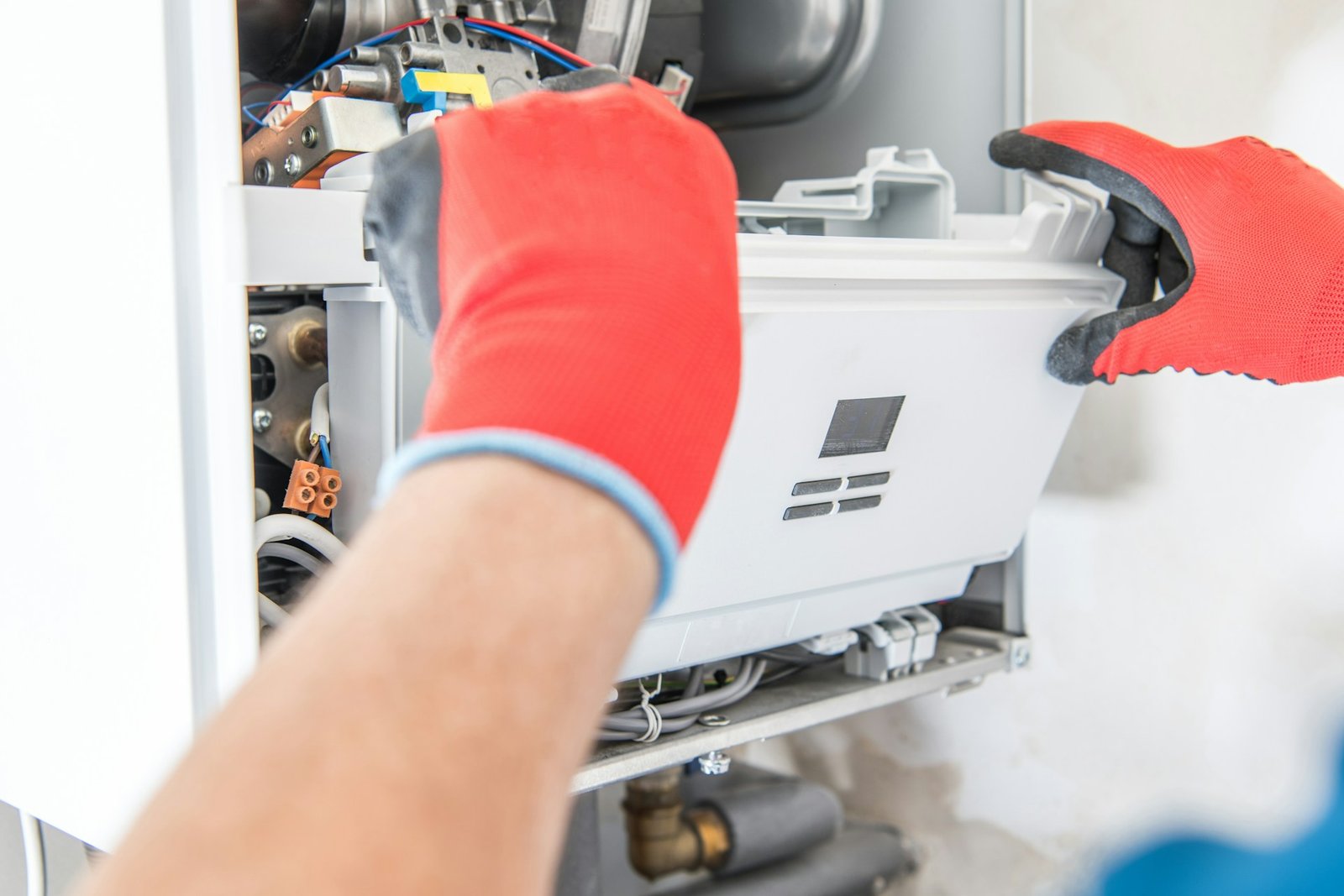
When arranging furnace repair and installation in Arlington, WA, ask the technician to assess the whole system and explain the fault. Gather previous service records so they can distinguish an isolated problem from a recurring issue.
Record recent breakdowns, replaced components and any changes in heating performance. A furnace that has needed several visits deserves closer scrutiny than one experiencing its first repair in years.
When Repairing Makes Sense
Repair may be reasonable when the fault is isolated, replacement parts are available and the remaining equipment is in sound condition. An otherwise dependable furnace with a faulty thermostat presents a different decision from an older unit with several failing components.
Before approving work, request a written diagnosis and an itemised quotation. Check whether an existing warranty covers the affected part, and confirm any labour charges or exclusions.
When comparing options for furnace repair and installation in Arlington, WA, ask what the proposed repair will resolve and whether other significant faults were found. This helps you judge the value of the work without relying on a vague promise of extra years.
When Replacement Deserves Consideration
Replacement becomes more compelling when breakdowns are frequent, major components need expensive work or reliable heating remains difficult despite repairs. Consider both the immediate bill and the disruption of further failures.
For example, replacing one worn component may be sensible in a well-maintained system. Paying for another major repair shortly after several others requires a broader comparison with replacement.
If a technician identifies a safety defect, ask whether the furnace must remain off until it is resolved. If a carbon monoxide alarm sounds, leave immediately and call 911 from outside. Do not re-enter until emergency responders say it is safe.
Compare Overall Costs and Heating Performance
Obtain written repair and replacement quotations covering the full scope of work. For replacement, clarify equipment, labour, removal, controls, necessary modifications and warranty terms. Compare equivalent proposals rather than headline prices.
For fuel-burning furnaces, annual fuel utilisation efficiency, or AFUE, describes how efficiently fuel becomes useful heat over a heating season. It helps compare equipment, but does not establish your eventual bill savings. Fuel prices, usage and the condition of your home also affect costs.
Ask the installer to calculate your home’s heating requirements before choosing equipment. Correct sizing should reflect a heating-load assessment rather than simply matching the old furnace. Have airflow and ductwork assessed too, particularly if some rooms remain uncomfortable.
Frequently Asked Questions
Should I replace a furnace because it is old?
No. Age should prompt an assessment. Its condition, safety, repair requirements and performance provide a stronger basis for deciding whether replacement is worthwhile.
Will a new furnace solve uneven heating?
Not necessarily. Leaking ducts, restricted airflow or insulation gaps may contribute to uneven temperatures. Ask the contractor to investigate these issues before selecting replacement equipment.
Conclusion
Repairing an ageing furnace can be worthwhile when the fault is manageable and the system remains dependable. Replacement deserves consideration when repeated failures, substantial repair costs or unresolved performance problems make further spending difficult to justify.
Start with a professional assessment, compare complete written quotations and ask clear questions about safety, sizing and likely running costs. Choose the option supported by your furnace’s actual condition and your household’s needs.