
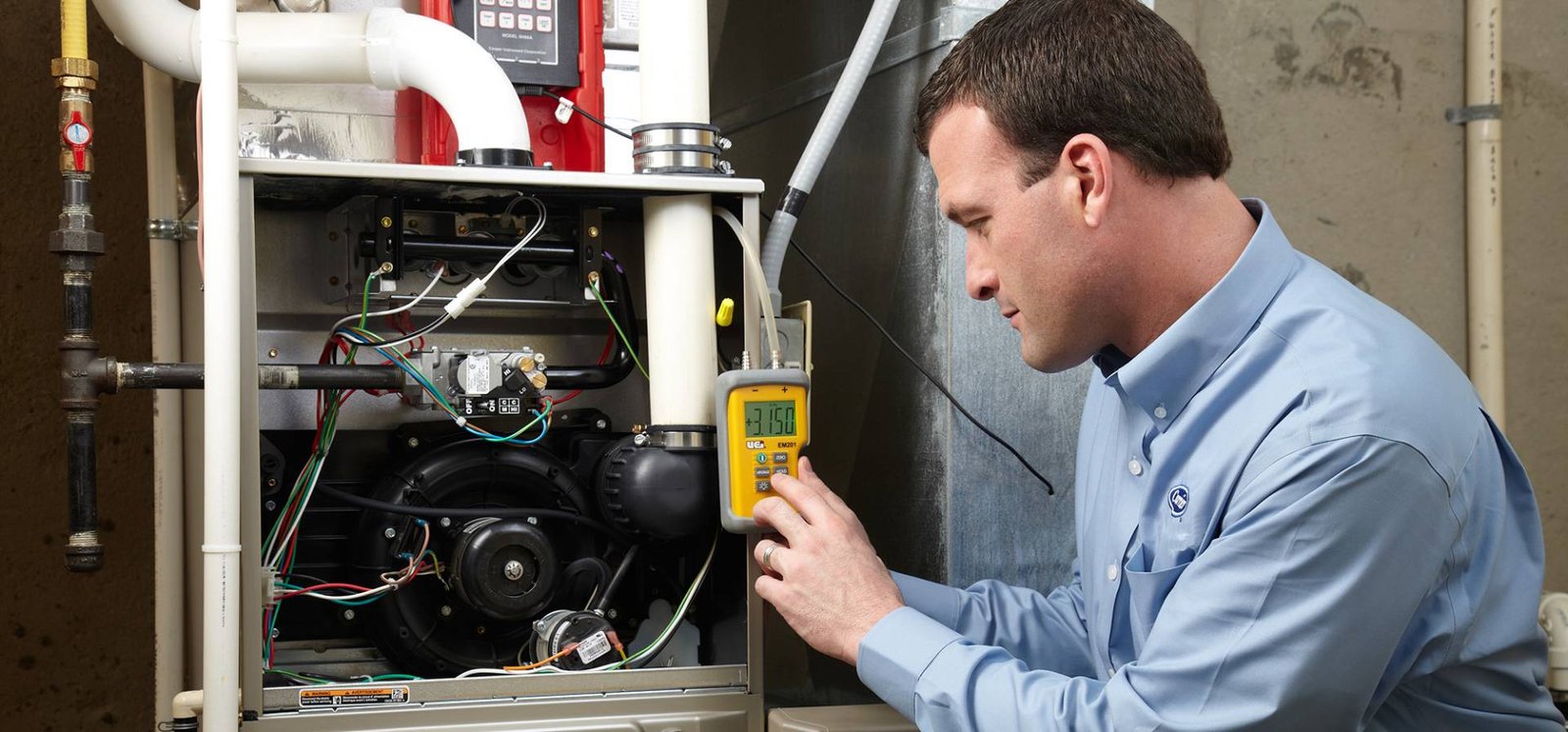
Think your furnace is ready for winter? A simple furnace maintenance checklist could be the difference between steady warmth and a costly mid-season breakdown. Discover the essential steps that keep your system efficient, safe, and built to last.
When winter sets in, your furnace becomes one of the most important systems in your home. Yet many homeowners only think about it when something goes wrong. A proactive furnace maintenance checklist helps you avoid emergency repairs, reduce energy bills, and extend the lifespan of your heating system.
Below, you’ll find a comprehensive, expert-backed checklist designed to keep your furnace operating efficiently and safely all season long.
1. Replace or Clean the Air Filter
If you do only one thing on this list, make it this. A dirty air filter restricts airflow, forcing your furnace to work harder and consume more energy. Over time, this strain can damage internal components and shorten system lifespan.
Most disposable filters should be replaced every one to three months, while reusable filters must be cleaned according to manufacturer instructions. Homes with pets, allergies, or higher dust levels may need more frequent changes. A clean filter not only improves efficiency but also supports healthier indoor air quality.
2. Inspect and Test the Thermostat
Your thermostat acts as the control center of your heating system. If it’s not calibrated correctly or functioning properly, your furnace may cycle too frequently or fail to maintain consistent temperatures.
Test the heating mode before peak winter arrives. Replace batteries if necessary and confirm that temperature readings match the actual room temperature. Upgrading to a programmable or smart thermostat can significantly improve energy efficiency by optimizing heating schedules.
3. Clean and Inspect the Blower Assembly
The blower motor and fan are responsible for distributing warm air throughout your home. Dust and debris buildup can reduce airflow and cause overheating.
Professional cleaning of the blower components improves system efficiency and reduces mechanical wear. If you notice unusual noises, weak airflow, or inconsistent heating, the blower assembly should be inspected promptly to prevent further damage.
4. Examine the Heat Exchanger
The heat exchanger is one of the most critical safety components in your furnace. Cracks or corrosion can allow carbon monoxide to leak into your home, posing serious health risks.
Because this inspection requires specialized knowledge and tools, it should always be performed by a certified HVAC technician. Annual professional checks are essential to ensure safe and reliable operation.
5. Check the Ignition System or Pilot Light
Modern furnaces typically use electronic ignition systems, while older models rely on pilot lights. Both must function correctly for reliable heating.
Signs of trouble include delayed ignition, flickering flames, or difficulty starting. Cleaning the flame sensor and ensuring proper alignment of ignition components can prevent startup issues and improve combustion efficiency.
6. Clean the Burners
Over time, burners can accumulate dirt and debris that disrupt proper gas flow and combustion. When burners are dirty, you may notice yellow flames instead of steady blue ones.
Routine professional cleaning ensures efficient combustion, reduces soot buildup, and improves overall heating performance. This simple step can make a noticeable difference in both comfort and energy use.
7. Test Safety Controls and Limit Switches
Furnaces include built-in safety mechanisms that shut the system down if temperatures rise too high or if a malfunction occurs. These controls must be tested regularly to confirm they respond correctly.
A technician will evaluate limit switches, flame sensors, and other protective components to ensure your system operates safely under all conditions.
8. Inspect and Clear Vents and Ductwork
Blocked or dirty vents restrict airflow and cause uneven heating throughout your home. Walk through each room to ensure vents are open and unobstructed by furniture or curtains.
Vacuum vent covers periodically and consider professional duct cleaning if you notice excessive dust, poor airflow, or musty odors. Proper airflow is essential for both efficiency and comfort.
9. Lubricate Moving Parts
Friction increases wear and reduces system efficiency. Some older furnace models require seasonal lubrication of motors and bearings to operate smoothly.
Newer systems often contain sealed components that don’t require manual lubrication, but it’s still important to confirm during annual servicing. Proper lubrication reduces strain and extends component lifespan.
10. Inspect the Flue Pipe and Venting System
The flue pipe removes combustion gases safely from your home. Any blockage, corrosion, or loose connection can compromise ventilation and create safety hazards.
Check for visible rust, gaps, or disconnections in accessible venting sections. A professional inspection ensures proper drafting and safe exhaust removal.
Why a Furnace Maintenance Checklist Matters
Routine maintenance is not just about preventing breakdowns. It directly impacts energy efficiency, indoor air quality, system longevity, and household safety. A neglected furnace must work harder to produce the same level of heat, leading to higher energy costs and increased wear on critical components.
By following a consistent furnace maintenance checklist, you protect your investment and ensure dependable comfort throughout the heating season.
Conclusion
A reliable heating system doesn’t happen by accident—it’s the result of consistent care and proactive attention. Following a thorough furnace maintenance checklist helps you catch small issues before they turn into expensive repairs, improve energy efficiency, and maintain safe operation throughout the winter months.
From changing air filters and inspecting vents to scheduling an annual professional tune-up, each step plays a vital role in extending your furnace’s lifespan and protecting your home. The time and effort invested in routine maintenance pay off in lower utility bills, fewer breakdowns, and dependable comfort when temperatures drop.
Make furnace maintenance a yearly priority, and you’ll enjoy consistent warmth, improved air quality, and long-term peace of mind.