
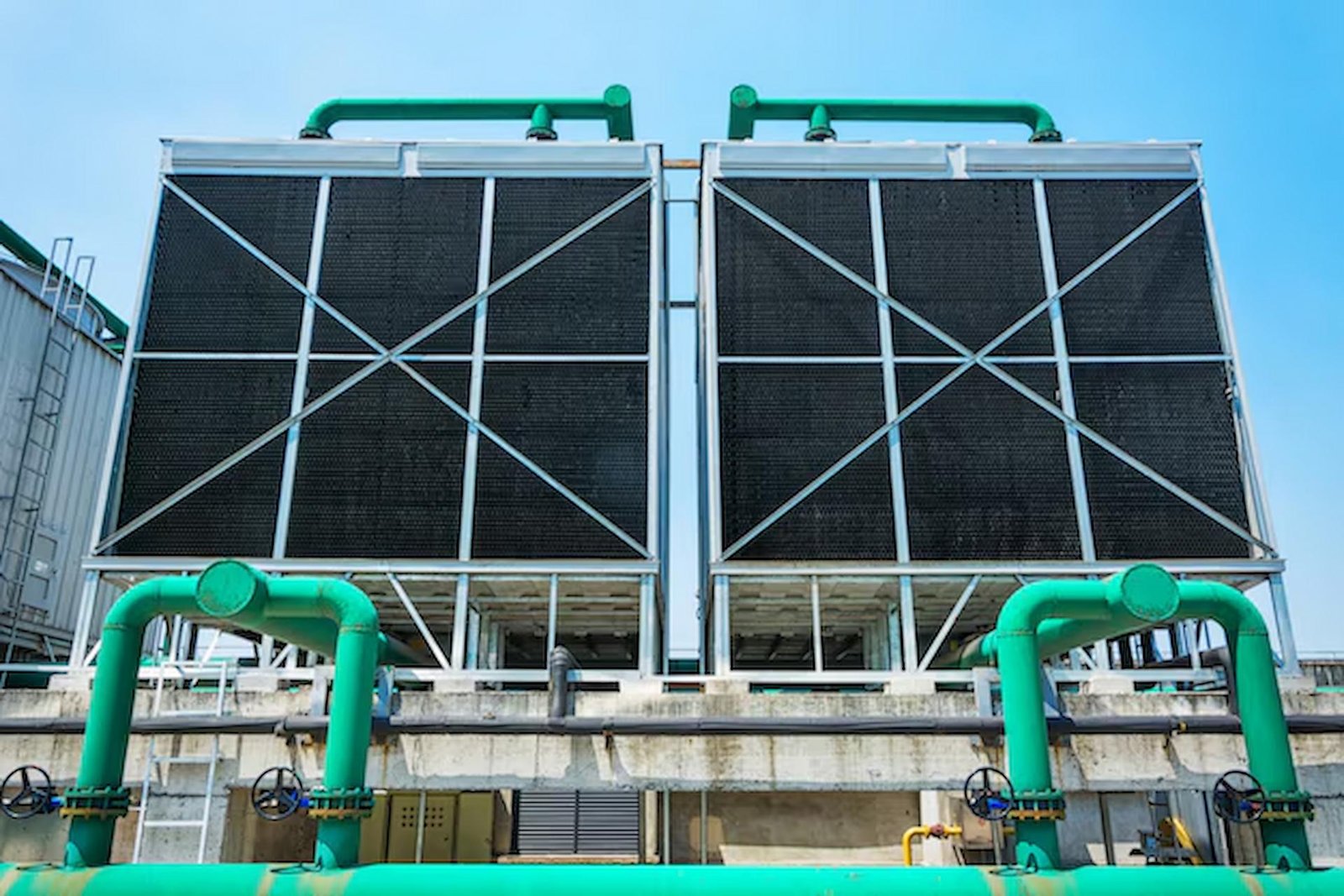
Creating a comfortable indoor environment is essential for offices and retail spaces where employee productivity, customer satisfaction, and operational efficiency all depend on reliable climate control. Heating, cooling, ventilation, and air quality directly affect how people feel and perform inside commercial buildings. Modern climate solutions help businesses balance comfort, energy efficiency, and cost management while protecting valuable equipment and supporting healthier indoor spaces.
Choosing professional commercial HVAC service is one of the most important steps business owners can take to maintain consistent temperatures and efficient building performance. Offices require stable comfort for staff productivity, while retail spaces depend on pleasant environments that encourage customers to stay longer. Effective HVAC systems help regulate airflow, humidity, and indoor air quality while reducing operational expenses.
Why Climate Control Matters in Commercial Buildings
Commercial spaces often face unique heating and cooling challenges due to larger square footage, occupancy changes, lighting loads, and extended operating hours. Unlike residential systems, commercial HVAC must handle diverse comfort demands while maintaining efficiency. Poor temperature control can lead to employee discomfort, customer dissatisfaction, and rising utility bills that directly affect profitability.
Business Benefits of Effective Climate Control
A dependable HVAC system supports better air circulation, balanced temperatures, and healthier indoor environments. It can also protect electronics, inventory, and temperature-sensitive equipment. Proper building climate management improves workplace morale and supports customer retention by creating spaces that feel welcoming, comfortable, and professionally maintained.
Popular Commercial HVAC System Options
Different buildings require different HVAC solutions based on layout, occupancy, and energy goals. Understanding available options helps business owners make informed investments that align with operational priorities and budget expectations.
Common Commercial HVAC Solutions
Rooftop packaged units are popular for retail spaces because they save interior space and offer centralized climate control. Variable Refrigerant Flow systems provide zoned comfort, making them ideal for office buildings with varying temperature needs. Split systems, heat pumps, and smart building controls are also widely used.
Key System Choices Include:
- Rooftop HVAC units
- Variable Refrigerant Flow systems
- Split systems
- Heat pumps
- Smart thermostats
- Zoned climate control
Selecting the right system can improve efficiency and support long-term savings.
Energy Efficiency Should Be a Top Priority
Energy expenses often represent one of the largest operational costs for commercial properties. Upgrading HVAC efficiency can significantly reduce monthly expenses while supporting environmental goals.
Businesses that invest in commercial HVAC service often gain access to preventative maintenance, system upgrades, and energy-saving strategies that improve performance. High-efficiency equipment, programmable thermostats, and proper insulation can lower utility costs while maintaining consistent indoor comfort throughout changing seasons.
Energy-Saving Features to Consider
Variable-speed motors, energy recovery ventilators, smart sensors, and building automation systems can all reduce unnecessary energy use. These tools help optimize performance without sacrificing occupant comfort.
Indoor Air Quality and Ventilation Solutions
Indoor air quality has become increasingly important in offices and retail settings. Clean air supports employee health, customer comfort, and compliance with modern building standards.
Why Air Quality Matters
Poor ventilation can lead to stale air, allergen buildup, humidity issues, and reduced comfort. Commercial HVAC systems should prioritize filtration, humidity control, and fresh air exchange to maintain healthier spaces.
Effective Air Quality Strategies:
- High-efficiency air filters
- UV air purification
- Humidity control systems
- Fresh air ventilation
- Duct cleaning
- Carbon dioxide monitoring
These solutions can improve respiratory comfort while supporting better business environments.
Preventative Maintenance Protects Commercial Investments
Routine maintenance is essential for avoiding costly system failures and preserving equipment lifespan. Commercial systems often operate longer hours than residential units, increasing wear over time.
Important Maintenance Tasks
Regular inspections should include filter changes, refrigerant checks, thermostat calibration, electrical testing, duct inspections, and airflow assessments. Preventative care helps identify small problems before they disrupt operations.
Businesses relying on commercial HVAC service providers for scheduled maintenance often experience fewer emergency repairs, better system reliability, and more predictable operating costs.
Zoning and Smart Controls Improve Building Performance
Not every area of a commercial building has the same heating and cooling needs. Offices with conference rooms, server rooms, and open workspaces often benefit from zoning solutions.
Benefits of Smart Climate Controls
Zoned HVAC systems allow separate temperature settings for different areas, improving comfort while reducing energy waste. Smart building systems can automate schedules, monitor performance, and identify maintenance needs in real time.
Smart Control Advantages:
- Lower energy bills
- Customized comfort zones
- Better occupancy management
- Reduced system strain
- Improved maintenance tracking
These technologies support operational efficiency and cost savings.
Choosing the Right HVAC Partner
Commercial HVAC performance depends heavily on the expertise of installation and service providers. Selecting experienced professionals is critical for system design, maintenance, and long-term reliability.
What Businesses Should Look For
Choose licensed and insured HVAC contractors with commercial experience, transparent pricing, emergency support, and knowledge of local building codes. Providers who offer energy audits and maintenance plans can deliver added value beyond repairs.
A knowledgeable HVAC partner helps businesses maintain reliable comfort while protecting major infrastructure investments.
Conclusion
The best building climate control solutions for offices and retail spaces combine comfort, energy efficiency, indoor air quality, and proactive maintenance. From advanced zoning systems and rooftop units to preventative service and smart controls, commercial HVAC decisions directly impact productivity, customer experience, and operational costs. By prioritizing system quality, professional service, and long-term efficiency strategies, businesses can create healthier, more comfortable environments while protecting profitability. Investing in effective climate control today supports stronger performance and lower costs well into the future.