
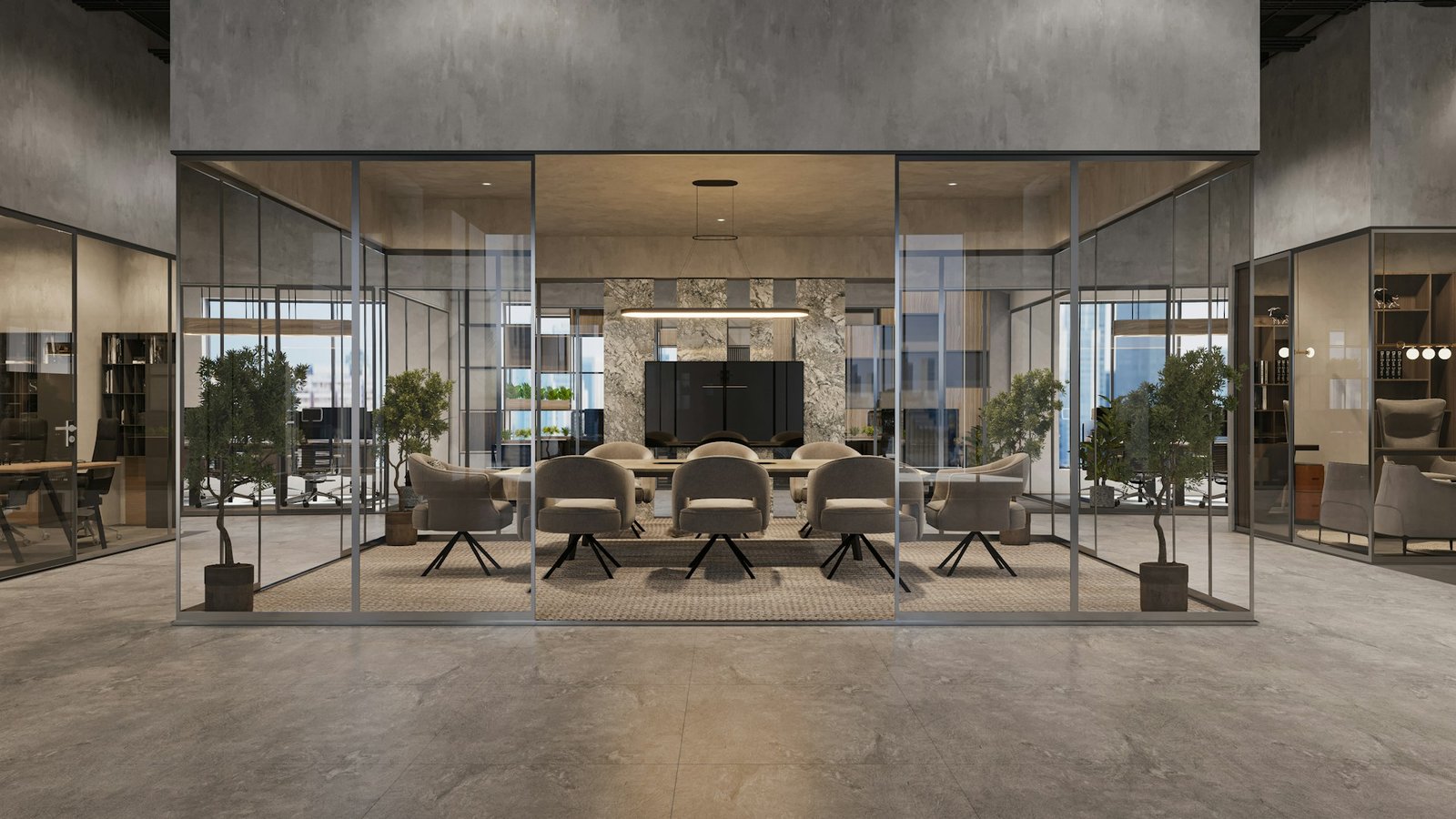
The way businesses use office space is changing across the Gulf. Traditional workplaces, where employees spend every working day at an assigned desk, are gradually making room for more flexible arrangements. Hybrid working allows employees to divide their time between the office and remote locations, encouraging businesses to reconsider how their workplaces function.
This change is also influencing office interior design Dubai, as companies look for practical layouts that support teamwork, privacy and modern technology. Businesses exploring interior design Dubai are increasingly considering how office environments can accommodate different activities while remaining comfortable and efficient.
Why Hybrid Working Is Gaining Attention in the Gulf
Hybrid working offers businesses an alternative to traditional office attendance. Employees can complete certain responsibilities remotely while visiting the workplace for meetings, collaborative projects and activities requiring direct interaction.
Across Gulf business centres, including Dubai, Abu Dhabi, Doha and Riyadh, organisations are considering how flexible arrangements might suit their operations. However, adoption varies according to industry, company culture and local employment requirements.
For employers, the main consideration is whether flexible working supports business performance without weakening communication or accountability. Employees may value greater flexibility, but organisations must still maintain consistent service standards and clear expectations.
A successful approach depends on understanding which activities genuinely require physical attendance and which can be completed effectively elsewhere.
Moving Beyond Traditional Office Layouts
Conventional offices often dedicate much of their floor space to individual workstations. This arrangement may become inefficient when employees attend on different days.
Hybrid workplaces require a different approach. Businesses can consider shared desks, collaborative areas, private meeting rooms and quiet spaces that accommodate changing attendance patterns.
This shift is also shaping approaches to interior design Dubai, particularly for businesses seeking adaptable layouts that make better use of available space.
However, removing permanent desks without understanding employee requirements can create unnecessary problems. Workers still need reliable access to suitable equipment, comfortable seating and spaces where they can concentrate.
Companies should review their existing office usage before making substantial layout changes. This helps identify which areas are essential and which could serve a different purpose.
Creating Spaces That Support Different Working Styles
An effective hybrid office needs to accommodate several types of work throughout the day.
Collaborative Areas for Teamwork
Face-to-face interaction remains valuable for activities involving discussion, planning and shared decision-making. Dedicated collaboration areas can make these activities easier to organise.
Flexible furniture, accessible presentation equipment and appropriate seating arrangements help teams work together without disturbing surrounding employees.
Quiet Areas for Focused Tasks
Not every office activity involves conversation. Employees handling confidential information or detailed assignments may require quieter surroundings.
Enclosed rooms, acoustic partitions and designated focus areas can reduce distractions. Separating noisy collaboration zones from individual workspaces also improves the overall working environment.
Comfortable Shared Workstations
Shared desks should provide the same basic comfort and functionality as permanent workstations.
Adjustable chairs, suitable lighting, accessible power connections and sufficient desk space are important considerations. Consistent workstation arrangements can also help employees settle into unfamiliar seating areas.
Technology Is Essential for Hybrid Collaboration
Technology connects employees working from different locations. Without reliable systems, hybrid arrangements can create communication difficulties and delays.
Meeting rooms need suitable video-conferencing equipment, clear audio and dependable internet connections. Remote participants should be able to contribute without struggling to hear conversations or view shared information.
Businesses must also consider digital security. Access controls, secure document-sharing systems and appropriate data protection procedures help safeguard business information.
Technology requirements should be considered during office planning rather than added after renovation work has finished. Early coordination between management, IT specialists and interior designers can prevent avoidable installation problems.
Employee Wellbeing and Workplace Comfort
A well-planned workplace should support employee comfort alongside operational requirements.
In Gulf countries, where outdoor temperatures can become extremely high, reliable cooling and indoor environmental conditions deserve particular attention. Temperature control, ventilation and appropriate lighting influence how comfortable employees feel during working hours.
Natural light can contribute to a pleasant workplace, although glare and excessive solar heat must be managed carefully.
Acoustic comfort is equally important. Open areas may encourage interaction, but constant background noise can make concentrated work difficult.
Employers should gather employee feedback when assessing workplace conditions. Understanding everyday concerns can guide improvements that genuinely support staff.
Practical Steps for Planning a Hybrid Workplace
Businesses should assess their operational needs before changing office layouts or introducing new attendance arrangements.
Several practical considerations can guide the planning process:
- Review attendance patterns: Understand how many employees normally require office access and identify the busiest working days.
- Assess space requirements: Determine the appropriate balance between shared desks, meeting rooms and private working areas.
- Establish clear policies: Explain attendance expectations, desk booking procedures and communication responsibilities.
- Plan technology early: Ensure office systems support employees working both remotely and on-site.
- Consider future growth: Choose adaptable furniture and layouts that can accommodate changing team sizes.
- Collect regular feedback: Review employee experiences and adjust arrangements where necessary.
These steps help businesses make informed decisions rather than redesigning workplaces around assumptions.
Managing the Challenges of Hybrid Working
Hybrid working introduces challenges that employers should address before changing established practices.
Scheduling can become difficult when employees choose different office days. Meeting rooms may become overcrowded during busy periods while other areas remain unused.
Communication also requires attention. Employees working remotely should receive the same relevant information as colleagues attending in person.
Managers need clear procedures for assigning responsibilities, monitoring progress and maintaining fair treatment across teams.
Organisations should also review applicable employment regulations, contractual obligations and workplace policies. Requirements can differ between Gulf countries and relevant jurisdictions.
Where significant workplace changes are planned, advice from qualified interior designers, building specialists and employment professionals can help businesses address technical and regulatory considerations.
Balancing Flexibility With Business Identity
Although hybrid working changes how employees use offices, physical workplaces remain important to organisational identity.
Reception areas, meeting rooms and shared spaces communicate how a business operates and welcomes visitors. Their appearance should reflect professional standards without compromising everyday functionality.
For organisations considering interior design Dubai, balancing professional appearance with flexible working arrangements can help ensure the office remains suitable for both employees and visitors.
Businesses should avoid prioritising visual trends over practical requirements. Attractive interiors are most useful when employees can work comfortably and efficiently within them.
Conclusion
Hybrid working is encouraging Gulf businesses to reconsider office layouts, technology and employee requirements. Flexible spaces, reliable communication systems and comfortable working conditions can help workplaces accommodate different patterns of attendance.
Before making changes, organisations should assess actual space usage, consult employees and establish clear working policies. Careful planning and appropriate professional advice can help create workplaces that remain practical as business needs develop.